What Is Virtual Staging? The Complete Guide for Real Estate Agents (2026)
Virtual staging uses AI to digitally furnish empty rooms in listing photos. AI tools cost around $5/image (under $1/image with BetterSpace) vs $2,500+ for physical staging. Complete guide including how it works, costs, legality, and the best apps in 2026.
Virtual staging is the process of digitally furnishing an empty or under-furnished property using AI or 3D rendering software. Instead of spending $2,500–$6,000 on physical staging, an agent uploads listing photos to a virtual staging platform and receives furnished, photo-realistic images within minutes to 48 hours.
It has become one of the fastest-growing tools in residential real estate marketing — and understanding how it works, what it costs, and when to use it is now a practical necessity for competitive agents.
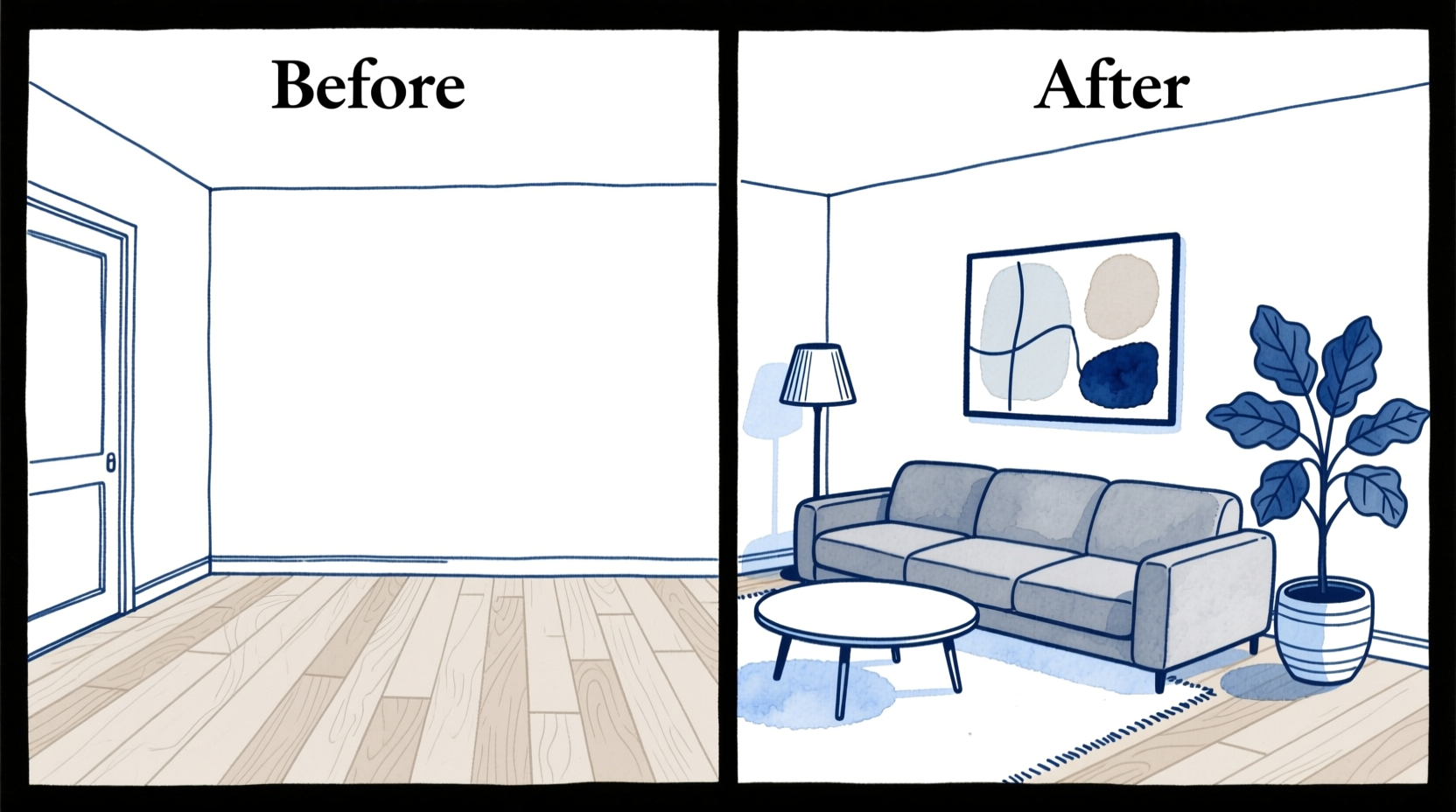
How Virtual Staging Works
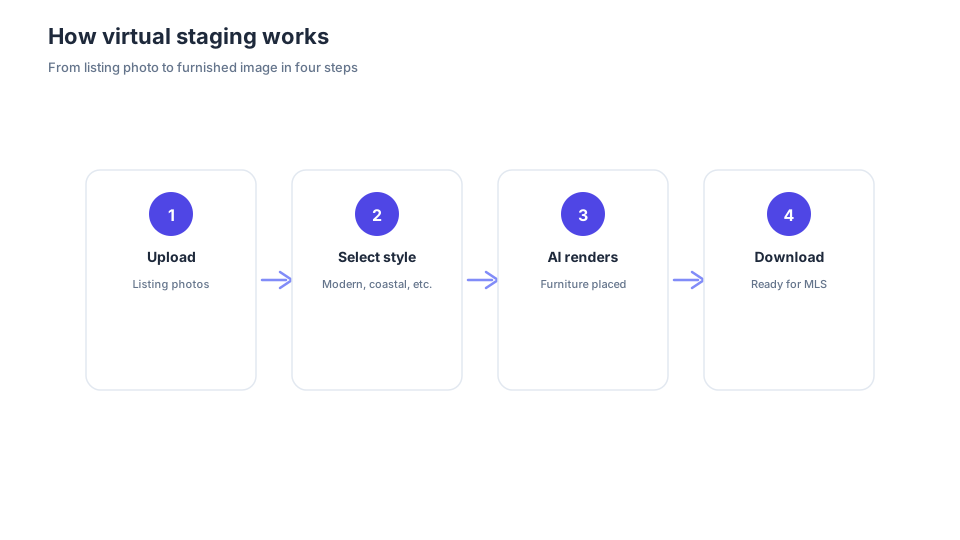
The process varies slightly by tool, but the core workflow is consistent:
- Photograph the property. High-resolution photos are essential. Virtual staging cannot compensate for poor lighting or wide-angle distortion. Standard listing photography applies.
- Upload to a virtual staging platform. On AI-powered platforms like BetterSpace, you upload the photos directly to the tool.
- Select style and furniture. Choose a design style (modern, coastal, Hamptons, industrial, Scandinavian, etc.) and furniture density. AI platforms handle placement automatically; manual services let you specify individual pieces.
- AI renders the scene. The software detects room geometry, floor plans, and lighting to place furniture realistically with accurate shadows and perspective.
- Review and download. Most AI platforms deliver finished images in minutes. You can request revisions or adjust style.
- Disclose in the listing. Label virtually staged images as “virtually staged” per your MLS or association guidelines.
Virtual Staging vs Traditional Staging: Full Comparison
| Feature | Virtual Staging | Traditional Physical Staging |
|---|---|---|
| Cost per room | $20–$200 | $300–$800 |
| Total cost (3-bed home) | $150–$800 | $2,500–$6,000 |
| Turnaround time | Minutes to 48 hours | 1–2 weeks |
| Style flexibility | Change designs instantly | Requires restaging |
| Works for vacant properties | Yes | Yes |
| Works for occupied properties | Yes (declutter/restyle) | Partial |
| Requires property access | No | Yes |
| Works for off-market or pre-listing | Yes | Rarely |
| Buyer can see furnished walkthrough | Photos only | Photos + physical viewing |
| Disclosure required | Yes | No |
The verdict: for most price points and most listings, virtual staging delivers equivalent buyer engagement at a fraction of the cost. Traditional staging retains a role in luxury listings where physical presentation during open homes matters to buyers.
Virtual Staging Cost Breakdown (2026)
Understanding the cost structure helps agents choose the right tier for each property.
Per-image pricing (outsourced services)
| Provider | Cost per image | Turnaround | Best for |
|---|---|---|---|
| BetterSpace | under $1/image (subscription from $19–$49/mo) | Minutes | Agents who also need listing video |
| BoxBrownie | $24–$65 | 24–48 hours | High-quality outsourced per image |
| Stuccco | $29 | 24 hours | Self-service with style options |
| Virtual Staging Solutions | $49–$149 | 3–5 days | Luxury, high-detail rendering |
| Homestyler | Free–$15 | Minutes | DIY, lower quality ceiling |
Annual cost at scale
An agent listing 24 properties per year with 5 staged images per listing:
- Traditional staging: $3,500/listing avg × 24 = $84,000/year
- Outsourced virtual staging: $40/image × 5 × 24 = $4,800/year
- BetterSpace subscription: $228/year (plus listing video included)
The math is unambiguous for volume. The only reason to use traditional staging in 2026 is for luxury properties where buyers physically inspect the staged home and the presentation contributes to premium pricing.
AI Virtual Staging vs Manual Virtual Staging
Not all virtual staging is the same. Two approaches exist:
AI virtual staging (BetterSpace, Homestyler AI): Machine learning models detect room geometry, floor boundaries, and window positions, then automatically place and render furniture. Output is delivered in minutes. The trade-off is slightly less precise furniture placement on unusual room shapes.
Manual virtual staging (BoxBrownie, Virtual Staging Solutions): Human 3D artists model the space and individually position every object. Output takes 24–48 hours and costs more per image, but the quality ceiling is higher and unusual layouts are handled better.
For the majority of standard residential listings, AI virtual staging is indistinguishable from manual staging at normal listing photo viewing sizes. Manual staging earns its premium on luxury listings, complex architectural spaces, or commercial properties.
Is Virtual Staging Legal? Disclosure Requirements
Virtual staging is legal in all US states, Canada, Australia, and most international markets. However, virtually all real estate associations and MLS systems require clear disclosure.
Standard practice:
- Add a “Virtually Staged” caption to each staged photo
- Include a note in the listing description: “Some photos have been virtually staged to illustrate furniture potential.”
- Do not use virtually staged images as the primary MLS thumbnail without disclosure
Failure to disclose can violate NAR Code of Ethics standards and some state licensing regulations. The practical risk is also reputational: buyers who arrive expecting a furnished property and find empty rooms lose trust in the agent. Always disclose, always.
Virtual renovation staging — digitally changing wall colors, flooring, or fixtures — carries the same disclosure requirements. If a photo shows the property materially different from its current state, it must be labeled.
Best Virtual Staging Apps in 2026
| App | Type | Price | Turnaround | Best For |
|---|---|---|---|---|
| BetterSpace | AI | $19/mo (plan) | Minutes | Agents needing video + staging in one |
| BoxBrownie | Manual outsourced | $24–$65/image | 24–48 hrs | High-quality outsourced per image |
| Stuccco | AI + manual | $29/image | 24 hrs | Standalone per-image staging |
| Virtual Staging Solutions | Manual | $49–$149/image | 3–5 days | Luxury, high-detail rendering |
| Homestyler | AI (DIY) | Free–$15 | Minutes | Budget DIY with lower quality ceiling |
Our recommendation: For agents who need both listing video and virtual staging — which describes most agents in 2026 — BetterSpace’s combined workflow delivers the best value. If you only need individual image staging without video, BoxBrownie’s quality-per-dollar is the strongest dedicated option.
When Virtual Staging Is Worth It
Virtual staging delivers the most obvious ROI in these situations:
- Vacant properties: Empty rooms photograph poorly and are harder for buyers to emotionally connect with. Virtual staging directly solves this.
- Investor-owned or estate sales: Properties that cannot be physically staged due to ownership circumstances.
- Off-market or pre-listing preparation: Agents can show virtually staged images in pre-listing pitches to sellers before photography is even commissioned.
- Occupied properties with dated furnishings: Virtually declutter or restyle without disturbing tenants.
- International or out-of-area buyers: Buyers who cannot visit in person rely heavily on listing photos; staged images are critical.
The one situation where virtual staging adds limited value: the seller already has high-quality, tastefully furnished rooms that photograph well. In that case, professional photography without staging may be sufficient.
Key Takeaways
- Virtual staging digitally furnishes empty rooms using AI or 3D rendering — no physical furniture required
- AI virtual staging costs around $5/image for standalone tools, under $1/image with BetterSpace, versus $2,500–$6,000 for physical staging
- Staged homes sell 73% faster than unstaged properties, according to the NAR
- AI tools like BetterSpace deliver results in minutes; manual services take 24–48 hours
- Disclosure is legally and ethically required — always label virtually staged photos
- For agents who also produce listing video, BetterSpace’s combined platform is the most efficient workflow
Try virtual staging on your next listing. BetterSpace’s free plan includes AI virtual staging and one listing video per month.
Related reading
Frequently asked questions
-
What is virtual staging in real estate?
Virtual staging is the process of digitally furnishing and decorating an empty or poorly furnished property using specialized software. Instead of renting physical furniture and hiring a staging crew, an agent uploads listing photos to a virtual staging platform, selects furniture styles and room layouts, and receives photo-realistic edited images — typically within 24–48 hours. -
How much does virtual staging cost?
AI virtual staging costs around $5 per image for standalone tools. BetterSpace includes virtual staging in its monthly plan from $19/month, which works out to under $1/image at normal listing volumes. Outsourced manual services like BoxBrownie charge $24–$65 per image. This compares to $2,500–$6,000 for physical staging of a typical 3-bedroom home. -
Is virtual staging legal in real estate?
Virtual staging is legal in all US states and most international markets, but most real estate associations and MLS rules require disclosure. The standard practice is to label virtually staged images clearly — for example, 'virtually staged' as a caption or watermark. Never present virtually staged images as photos of the furnished property without disclosure. -
How long does virtual staging take?
AI-powered virtual staging tools like BetterSpace deliver results in minutes. Manual outsourced services like BoxBrownie typically take 24–48 hours. Traditional physical staging takes 1–2 weeks from consultation to setup. -
Does virtual staging actually help sell homes faster?
Yes. According to the National Association of Realtors, staged homes sell 73% faster than unstaged properties, and virtually staged listings generate significantly more online engagement than empty-room photos. Buyers consistently spend more time viewing listings with furnished photos than bare-room images. -
Can virtual staging be used for any room?
Virtual staging works for any room in a residential or commercial property: living rooms, bedrooms, kitchens, dining rooms, offices, outdoor spaces, and empty commercial units. AI platforms handle the full property. Some agents also use virtual renovation staging — digitally updating finishes like flooring, cabinetry, or wall color to show a property's potential. -
What is the difference between virtual staging and virtual tours?
Virtual staging is the process of adding digital furniture to still photographs. Virtual tours (also called 3D tours or Matterport tours) are interactive walkthroughs where viewers navigate a 3D model of the property. They address different needs: virtual staging improves the visual appeal of listing photos; virtual tours replace or supplement in-person walkthroughs. -
Which virtual staging app is best for real estate agents?
BetterSpace is the best virtual staging option for agents who also need listing video, as it provides both in a single platform from $19/month. For standalone staging only, BoxBrownie offers high-quality outsourced staging per image. Homestyler and Stuccco are self-service alternatives with lower per-image costs. -
Can I virtually stage a property that already has furniture?
Yes. This is called virtual decluttering or virtual renovation staging. The existing furniture is digitally removed and replaced, or outdated finishes are updated. It is useful for tenanted properties where furniture is present but detracts from buyer appeal. -
Is AI virtual staging the same as manual virtual staging?
Not exactly. AI virtual staging uses machine learning to automatically detect room boundaries, suggest furniture placement, and render the scene — often in minutes. Manual virtual staging is performed by a human 3D artist who precisely models the space and places furniture. AI staging is faster and cheaper; manual staging typically offers more control over style accuracy for luxury listings.